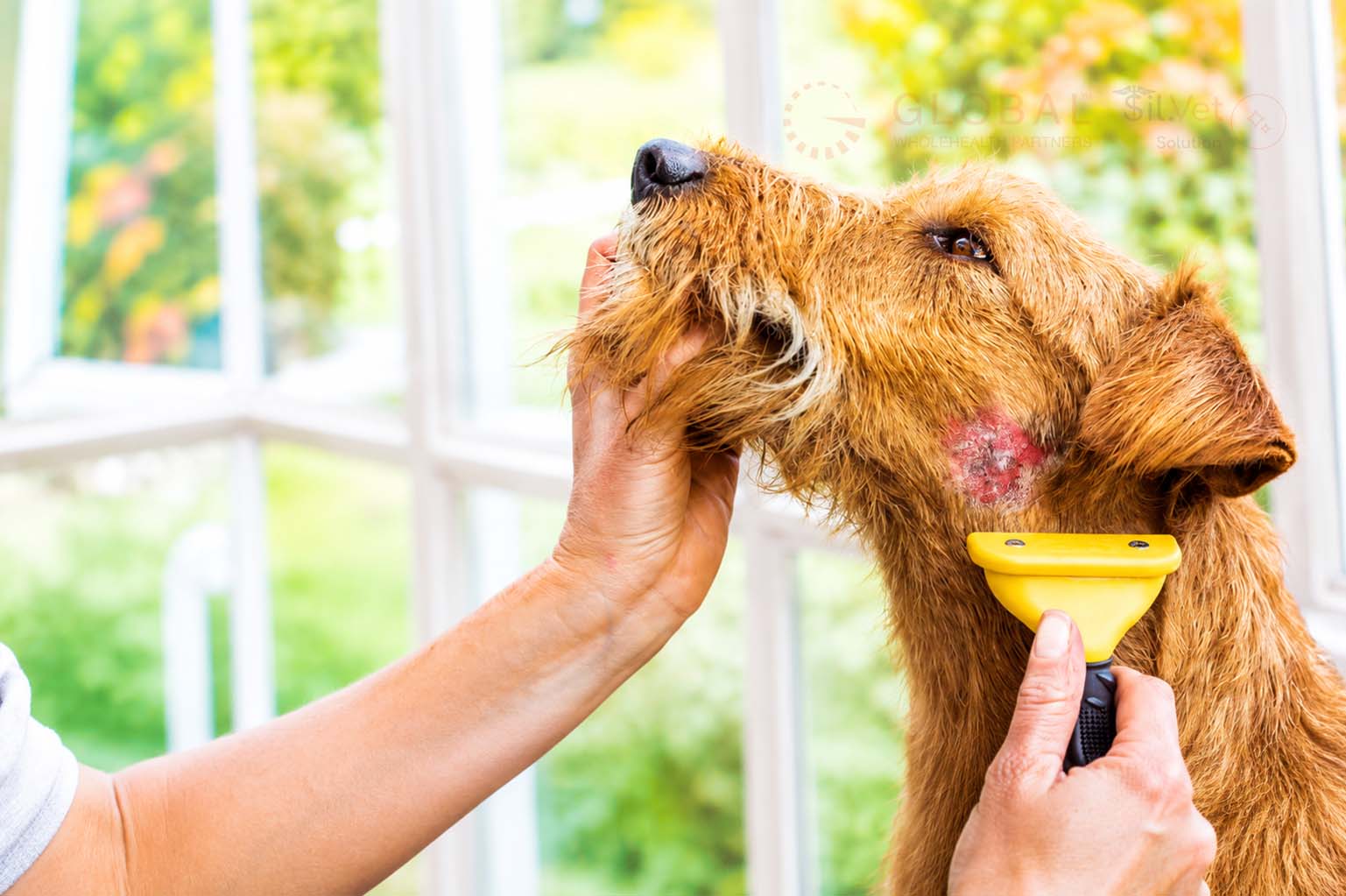
Hotspots can develop on your dog in just a matter of hours. What begins as a small itchy patch can quickly turn into an inflamed, painful wound if left untreated. These skin lesions are among the most common reasons dog owners visit the veterinarian, especially during California’s warmer months.
Fortunately, early intervention can prevent hotspots from becoming severe infections requiring extensive medical treatment.
Whether you’re a first-time pet owner or have cared for dogs for years, understanding how to recognize and manage hotspots early can save your pet unnecessary pain while reducing treatment costs.
If you’re searching for dog hotspots treatment, this comprehensive guide explains everything you need to know from identifying the earliest warning signs to knowing when professional veterinary wound care becomes necessary.
What Are Hotspots in Dogs?
Hotspots, medically known as Acute Moist Dermatitis, are localized areas of inflamed, infected skin that develop rapidly after excessive scratching, licking, or chewing.
Unlike many skin conditions that progress gradually, hotspots can become severe within 24 to 48 hours.
The affected skin becomes:
- Red and inflamed
- Moist or oozing
- Extremely itchy
- Painful to touch
- Warm compared to surrounding skin
- Sometimes foul-smelling if bacteria are present
As dogs continue scratching or licking the irritated area, they create additional skin damage that allows bacteria to multiply rapidly.
Without treatment, the infection may spread beyond the original hotspot and become significantly more difficult to manage.
Why Do Hotspots Spread So Quickly?
Healthy skin serves as your dog’s natural protective barrier against bacteria.
Once that barrier is broken through scratching or biting, moisture becomes trapped beneath the fur, creating an ideal environment for bacterial growth.
This creates a damaging cycle:
| Stage | What Happens |
| Initial irritation | Dog experiences itching or discomfort |
| Scratching or licking | Skin barrier breaks |
| Moisture accumulates | Hair traps heat and bacteria |
| Infection develops | Skin becomes inflamed |
| Increased itching | Dog scratches even more |
| Hotspot rapidly expands | Larger wound forms |
Breaking this cycle as early as possible is the key to successful dog hotspots treatment.
What Causes Hotspots in Dogs?
Hotspots themselves are not a disease; they’re usually the result of another underlying problem.
Understanding the root cause helps prevent future outbreaks.
The most common causes include:
1. Flea Allergies
Even a single flea bite can trigger intense allergic reactions in sensitive dogs.
Continuous scratching around the base of the tail, hips, or back often leads to hotspot formation.
Regular parasite prevention significantly reduces this risk.
2. Environmental Allergies
Many California dogs experience seasonal allergies caused by:
- Grass pollen
- Weeds
- Trees
- Mold spores
- Dust mites
These allergies commonly affect:
- Feet
- Face
- Belly
- Neck
- Ears
Persistent itching often progresses into hotspots.
3. Ear Infections
Dogs with painful ear infections frequently scratch around:
- The ears
- Side of the face
- Neck
Repeated scratching creates ideal conditions for hotspot development.
If your dog repeatedly develops hotspots near the ears, an untreated ear infection may be the underlying cause.
4. Poor Grooming
Dogs with thick coats including Golden Retrievers, German Shepherds, Labradors, Saint Bernards, and Huskies are more prone to hotspots because moisture becomes trapped beneath dense fur.
After:
- Swimming
- Bathing
- Rain
- High humidity
The skin may remain damp long enough for bacteria to flourish.
Routine grooming helps maintain healthy skin and reduces moisture buildup.
5. Insect Bites
Mosquitoes, flies, ants, ticks, and other insects can cause localized irritation.
Your dog may scratch the affected area until it develops into a hotspot.
6. Skin Parasites
Parasites such as:
- Fleas
- Mites
- Lice
Cause persistent itching that damages the skin and increases the likelihood of infection.
7. Stress or Anxiety
Some dogs lick themselves excessively when experiencing:
- Separation anxiety
- Boredom
- Stress
- Changes in routine
Over time, repeated licking weakens the skin, leading to hotspots.
8. Underlying Medical Conditions
Certain health issues can make dogs more susceptible, including:
- Food allergies
- Hormonal disorders
- Immune system diseases
- Chronic skin conditions
If hotspots recur frequently, your veterinarian may recommend additional diagnostic testing.
Early Signs of Hotspots Every Dog Owner Should Know
The earlier you identify a hotspot, the easier it is to treat.
Watch for these warning signs:
- Constant licking of one area
- Persistent scratching
- Chewing at the skin
- Hair loss in a small patch
- Redness
- Warm skin
- Moist or sticky fur
- Sensitivity when touched
- Restlessness
- Bad Odor
Many owners mistake the early stages for a simple insect bite or mild skin irritation.
Unfortunately, waiting even one or two days can allow the lesion to expand dramatically.
Dog Hotspots Treatment: What You Should Do Immediately
Early treatment can prevent a minor hotspot from becoming a painful wound.
Step 1: Prevent Further Licking
Your first priority is stopping additional trauma.
An Elizabethan collar (cone) or veterinary recovery collar can prevent your dog from making the wound worse.
Step 2: Carefully Trim the Fur
If it’s safe and your dog tolerates handling, carefully trim the hair surrounding the hotspot.
Removing excess fur:
- Improves airflow
- Keeps the area dry
- Makes cleaning easier
- Allows medications to reach the skin
Never shave aggressively over inflamed tissue, as this may increase irritation.
Step 3: Clean the Area
Gently cleanse the hotspot using a veterinarian-recommended antiseptic solution.
Avoid using harsh products such as:
- Hydrogen peroxide
- Alcohol
- Strong household disinfectants
These products can damage healthy tissue and delay healing.
Step 4: Keep the Area Dry
Moisture fuels bacterial growth.
After cleaning:
- Pat the area dry.
- Avoid covering it unless instructed by your veterinarian.
- Prevent swimming until healing is complete.
Step 5: Monitor Closely
Small hotspots may improve within a day or two with prompt care.
However, if the area enlarges, becomes increasingly painful, develops pus, or your dog appears lethargic, seek professional veterinary attention immediately.
When Should You Visit a Veterinarian?
Although some very small hotspots can improve with prompt home care, many require professional veterinary treatment.
If your dog’s hotspot is worsening despite your efforts, delaying treatment can allow the infection to spread deeper into the skin.
You should schedule a veterinary appointment if you notice any of the following:
- The hotspot continues growing after 24 hours
- Thick yellow, green, or bloody discharge
- A strong unpleasant odor
- Severe swelling
- Multiple hotspots appearing at once
- Your dog has a fever or seems unusually tired
- Loss of appetite
- Persistent scratching despite treatment
- Hotspots that keep returning
Recurring hotspots often indicate an underlying condition such as allergies, parasites, chronic ear infections, or hormonal disorders that require diagnosis and long-term management.
How Veterinarians Treat Hotspots in Dogs
Professional treatment focuses on stopping the infection, relieving pain, and addressing the underlying cause to prevent recurrence.
Depending on the severity, your veterinarian may recommend several treatment options.
1. Professional Clipping and Cleaning
The first step is carefully clipping away the surrounding fur to expose the affected skin.
This allows the veterinarian to:
- Remove trapped moisture
- Assess the full extent of the wound
- Thoroughly disinfect the area
- Improve airflow for faster healing
Professional clipping is often less stressful for the dog because veterinarians use proper equipment and pain-management techniques when necessary.
2. Prescription Medications
Many hotspots require medications that are only available through a veterinarian.
Treatment may include:
- Topical antimicrobial sprays
- Antibiotic ointments
- Anti-inflammatory medications
- Oral antibiotics for deeper infections
- Anti-itch medications
- Pain management medications
The specific treatment depends on the size, location, and severity of the lesion.
3. Allergy Management
Because allergies are one of the leading causes of hotspots, your veterinarian may recommend:
- Allergy testing
- Prescription allergy medications
- Special diets
- Flea prevention programs
- Environmental management strategies
Treating the allergy, not just the hotspot, helps reduce future flare-ups.
4. Parasite Control
If fleas, mites, or ticks are contributing to the problem, your veterinarian will recommend an appropriate parasite prevention plan.
Modern flea and tick preventatives are significantly more effective than waiting until an infestation develops.
5. Advanced Veterinary Wound Care
Large or infected hotspots often require specialized wound management to encourage healthy tissue repair while minimizing discomfort.
Advanced wound care protocols may include:
- Medical-grade wound cleansing
- Infection control
- Moisture balance management
- Tissue protection
- Ongoing monitoring during healing
These approaches help promote faster recovery while reducing the risk of complications.
Why Proper Veterinary Wound Care Matters
Many pet owners underestimate how quickly a small hotspot can become a serious skin infection.
Improper home treatment may result in:
| Delayed Treatment | Professional Veterinary Care |
| Infection may spread | Early infection control |
| Increased pain | Pain relief and comfort |
| Longer healing time | Faster wound recovery |
| Higher treatment costs later | Early intervention often reduces costs |
| Greater risk of recurrence | Underlying causes identified |
| Permanent skin damage | Healthier skin regeneration |
Seeking professional veterinary wound care at the first signs of a worsening hotspot can significantly improve your dog’s recovery.
Why California Dogs Are More Prone to Hotspots
California’s climate creates several conditions that increase the likelihood of hotspots.
Common contributing factors include:
Warm Temperatures
Heat encourages bacterial growth while increasing sweating beneath thick coats.
Outdoor Activities
Dogs that enjoy:
- Hiking
- Dog parks
- Beaches
- Swimming
- Camping
are exposed to pollen, insects, moisture, and environmental irritants that may trigger excessive scratching.
Seasonal Allergies
Southern California experiences extended allergy seasons due to:
- Grass pollen
- Tree pollen
- Weeds
- Dust
- Airborne allergens
Dogs with environmental allergies often experience chronic itching that leads to repeated hotspot development.
Flea Activity
Although fleas can occur year-round, California’s mild climate allows flea populations to remain active much longer than in colder regions.
Consistent parasite prevention is essential.
How SilVet® Healing Supports Veterinary Hotspot Management
Hotspots (acute moist dermatitis) can progress rapidly from a small area of irritation to a painful, infected wound. Successful management involves addressing the underlying cause such as allergies, parasites, or excessive licking while providing appropriate wound care to help create an environment that supports healing.
SilVet® Healing Solution is an advanced veterinary wound management solution designed to cleanse, moisturize, soothe, and help accelerate the healing process in a wide range of animal wounds, including hotspots, cuts, abrasions, burns, post-surgical wounds, lick granulomas, and other soft tissue injuries.
SilVet®’s patented formulation combines ionic silver, menthol, glycerol, a surfactant, and a hypertonic buffered solution to support wound management through multiple mechanisms. Case studies, and clinical data show, the solution:
- Cleanses the wound while helping maintain a moist healing environment
- Helps accelerate the natural wound healing process
- Provides antimicrobial activity to help reduce microbial contamination
- Helps disrupt and destroy biofilm, which can interfere with normal wound healing
- Promotes the formation of healthy granulation tissue
- Helps reduce inflammation, discomfort, and wound odor
- Assists in managing excess wound exudate while helping prevent tissue maceration
- Is non-toxic and non-cytotoxic, meaning it is formulated not to harm healthy tissue
- Contains no steroids, antibiotics, alcohol, or iodine
- Is safe for use on animals and is designed to remain effective even if accidentally licked
Because hotspots often produce moist, inflamed wounds that can become contaminated with bacteria, maintaining a clean wound environment and supporting healthy tissue repair are important components of veterinary treatment. SilVet® Healing is designed to complement a veterinarian’s treatment plan by providing advanced wound management while the underlying cause of the hotspot is being identified and addressed.
For dogs with persistent, severe, or recurring hotspots, owners should always seek veterinary care to diagnose the underlying condition and determine the most appropriate treatment approach. SilVet® Healing should be used in accordance with your veterinarian’s recommendations and the product’s directions for use.
Preventing Hotspots Before They Start
The best dog hotspots treatment is prevention.
Fortunately, many hotspots can be avoided with consistent skin care and routine veterinary wellness.
Maintain Regular Grooming
Routine brushing helps:
- Remove loose hair
- Improve air circulation
- Detect skin problems early
- Reduce matting
Long-haired breeds benefit from professional grooming throughout the year.
Dry Your Dog Thoroughly
Always dry your dog after:
- Swimming
- Bathing
- Rainy walks
Pay special attention to:
- Under the ears
- Between skin folds
- Under the neck
- Belly
- Tail base
Moisture trapped beneath the coat creates an ideal environment for bacterial growth.
Stay Current on Flea Prevention
Year-round flea prevention remains one of the most effective ways to reduce hotspot risk.
Even indoor dogs should receive veterinarian-recommended parasite protection.
Manage Allergies Early
If your dog experiences seasonal itching every year, consult your veterinarian before symptoms worsen.
Early allergy management often prevents secondary skin infections.
Perform Weekly Skin Checks
Spend a few minutes each week examining your dog’s:
- Ears
- Belly
- Neck
- Legs
- Tail base
- Armpits
Early detection allows treatment before hotspots become serious.
Frequently Asked Questions
Can hotspots in dogs heal on their own?
Very small hotspots may improve if the underlying irritation is eliminated immediately and your dog is prevented from licking or scratching the area. However, most hotspots progress rapidly because bacteria multiply quickly in warm, moist skin.
If the hotspot enlarges, becomes painful, or begins oozing, professional veterinary care is recommended as soon as possible.
How long does it take for a hotspot to heal?
Healing time depends on the severity of the wound and how quickly treatment begins.
Typical recovery times are:
| Severity | Estimated Healing Time |
| Mild hotspot | 5–10 days |
| Moderate infection | 1–3 weeks |
| Severe hotspot | Several weeks with veterinary treatment |
Early diagnosis and proper wound management often shorten recovery time significantly.
Should I cover my dog’s hotspot with a bandage?
In most cases, no.
Hotspots generally heal better when they remain clean, dry, and exposed to air. Covering them may trap moisture and bacteria unless your veterinarian specifically recommends a protective dressing.
Can I use human antiseptics on my dog’s hotspot?
Not always.
Products such as rubbing alcohol and hydrogen peroxide can damage healthy tissue and slow healing.
Only use veterinarian-approved wound cleansing products or medications recommended by your veterinary team.
Are hotspots contagious to other pets?
No.
Hotspots themselves are not contagious.
However, if the underlying cause is fleas, mites, or certain skin infections, those conditions may spread to other pets. Prompt diagnosis helps prevent additional problems in multi-pet households.
Why Pet Owners, Trust Professional Veterinary Wound Care
Southern California’s warm weather allows dogs to enjoy outdoor adventures year-round, but it also increases exposure to allergens, parasites, and environmental irritants that contribute to hotspots.
For pet owners, early recognition combined with professional wound management can help:
- Reduce discomfort
- Control infection
- Encourage faster healing
- Minimize the risk of recurrence
- Improve your dog’s overall quality of life
Whether your dog develops a minor skin irritation or a more advanced wound, seeking timely veterinary care is always the safest approach.
Why Choose SilVet® Healing for Veterinary Wound Care?
When managing skin injuries, veterinarians need wound-care solutions that are effective, easy to incorporate into treatment plans, and designed with animal healing in mind.
SilVet® Healing focuses on advanced veterinary wound care applications that support veterinarians treating:
- Hotspots (Acute Moist Dermatitis)
- Surgical incisions
- Bite wounds
- Lacerations
- Abrasions
- Burns
- Pressure sores
- Chronic wounds
- Skin ulcers
- Other soft tissue injuries
SilVet® Healing’s veterinary wound management solutions are designed to support the natural healing process while helping veterinary professionals provide high-quality care for companion animals.
If you’re interested in learning more about SilVet® Healing’s wound care technologies and veterinary applications, explore the resources available on the SilVet® Healing website.
Request More Information About SilVet® Healing
Interested in learning more about advanced veterinary wound care solutions?
Request information about:
- Veterinary Wound Management Solutions
- Chronic & Non-Healing Wounds
- Biofilm Management in Animal Wounds
- Equine Thrush Treatment
- Veterinary Product Information
- Case Studies & Clinical Applications
- Distributor & Veterinary Clinic Partnerships
- Product Ordering & Availability
Contact the SilVet® Healing team today and discover how our patented ionic silver technology can help veterinarians, equine professionals, livestock managers, and pet owners improve wound healing outcomes.
SilVet® Healing Advanced Veterinary Wound Care Solutions
California, USA | Linkedin | Visit SilVet® Healing